
 Louise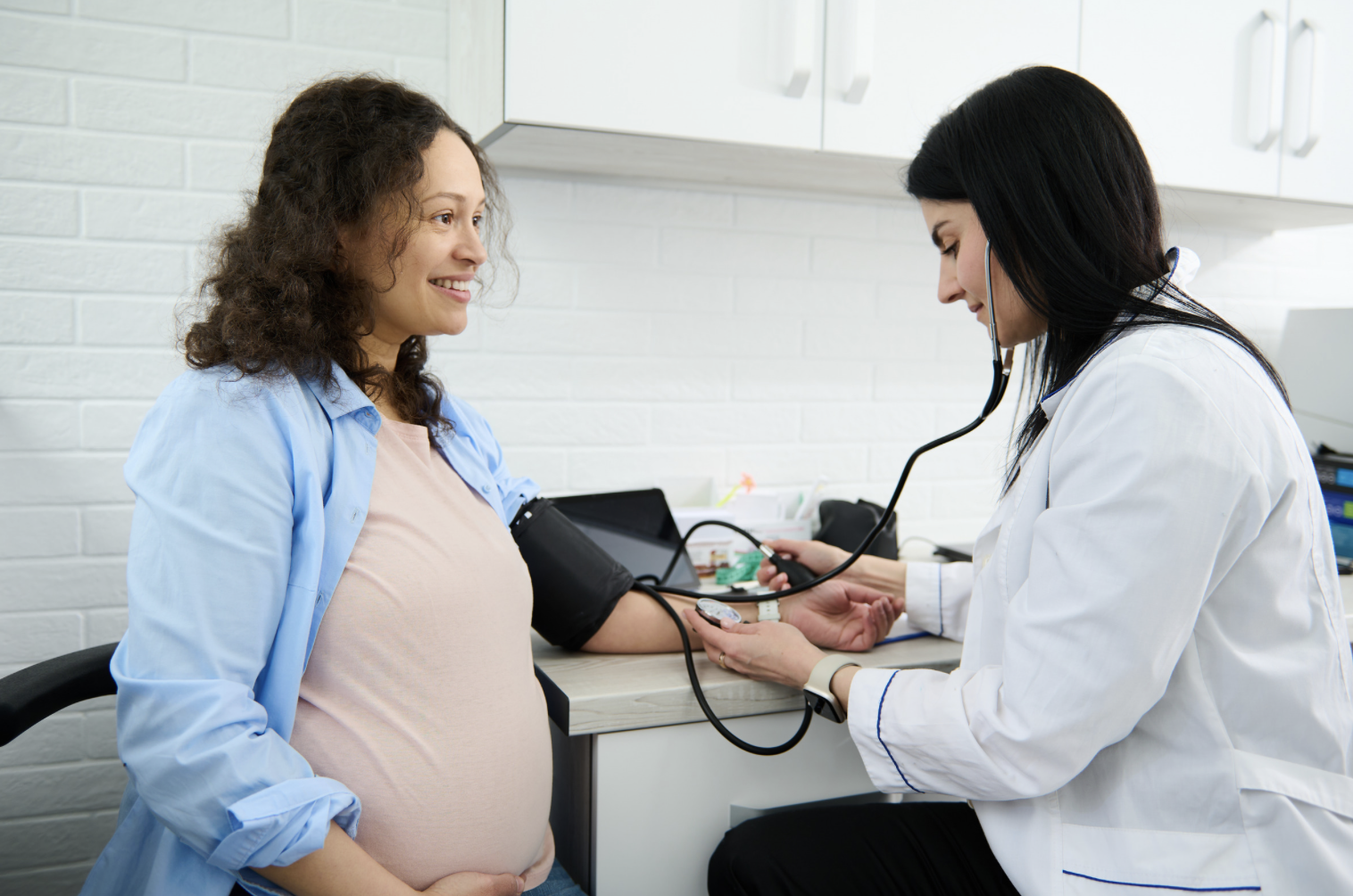
Symptoms, Diagnosis and Treatment
Pre-eclampsia is a pregnancy related condition that usually occurs in the second half of pregnancy. It can prompt symptoms such as headaches, swelling, visual disturbances and pain under the rib cage or shoulder.
Symptoms of pre-eclampsia
Early signs of pre-eclampsia to look out for during pregnancy include having high blood pressure (hypertension). You should also watch for protein in your urine (proteinuria).
You likely won’t notice these signs of pre-eclampsia. However, they should be picked up during routine health checks with your midwife.
Other symptoms of pre-eclampsia include:
- Swelling of feet, ankles, face and hands caused by water retention
- Severe headaches
- Visual disturbances
- Pain just below ribs or shoulders
If you spot any of these signs of pre-eclampsia, please speak to your midwife or pregnancy care provider. Seek medical advice immediately.
If pre-eclampsia goes untreated, it can turn into eclampsia. Even though eclampsia can be treated, it is important to spot the signs of pre-eclampsia early. Therefore, seek medical support as soon as possible.
Pre-eclampsia causes
The exact cause of pre-eclampsia is not fully understood. However, it is believed to be connected with functioning of the placenta.
Preeclampsia occurs in approximately 5% of pregnant women. Typically, these are women who are having their first baby. It also affects women who already have a history of high blood pressure or vascular disease.
Pre-eclampsia risk factors
There are several risk factors associated with the onset of pre-eclampsia.
Risk factors for pre-eclampsia include:
- Gestational diabetes
- Lupus
- Existing high blood pressure
- Family history of the condition
- Pre-eclampsia in a previous pregnancy (16% higher chance)
- Being over the age of 40
- A gap of 10 years between pregnancies
- Raised BMI
If you are thought to be at an increased risk for developing preeclampsia, you may be advised to take a daily dose of aspirin. This is usually from 12 weeks of pregnancy.
Pre-eclampsia diagnosis
In the vast majority of cases the diagnosis of this condition occurs not through the above symptoms. It is mainly detected at routine antenatal appointments.
During your midwife or GP appointments, you will have your blood pressure taken and urine tested. Women that present with high blood pressure and protein in their urine will be advised to have a blood test. They will also be monitored closely.
These tests will be used to detect the presence of pre-eclampsia and determine severity. They will also help decide on the best course of action to ensure you have a healthy, happy pregnancy.
Most cases of pre-eclampsia are rare. However, for up to 2% of women, the condition will become severe. If you are told that you have pre-eclampsia you may be advised to take blood pressure tablets.
If your blood pressure is thought to be unusually high, you may be advised to stay in hospital, where it will be measured regularly. In severe cases, your blood pressure may be taken every 15 minutes until it is stabilised. This will then be reduced to every 30 minutes.
Pre-eclampsia treatment
The only total cure is to deliver the baby. You may be advised that the safest option for you and your baby is to be induced or to have a caesarean section. The consultant at the hospital will discuss how best to manage your pregnancy. This decision will depend on how severe the pre-eclampsia is.
The main priority when managing pre-eclampsia is to look after the health and life of the mother. This, in turn, will also help protect the health and life of the baby.
Treatment for early, mild pre-eclampsia
The recommended treatment for early, mild pre-eclampsia is strict bed rest. Regular doctor visits (likely every two days) are also advised. You will also be advised to increase water intake and keep salt intake to a normal level. This will help reduce the risk of dehydration.
Pregnant women with early pre-eclampsia may also be advised to lay on their left side. This position increases the need to urinate.
Treatment for ongoing pre-eclampsia
If the mother does not improve after following recommendations during early pre-eclampsia, she may have to go to hospital for closer monitoring and support.
During this hospital stay, you may be administered a balanced salt solution intravenously. You may also be given magnesium sulfate intravenously until your reflexes return to normal. These precautions help reduce the risk of seizures and can help lower blood pressure levels and swelling.
Constant monitoring during pre-eclampsia is important. Symptoms to be observed include headaches, visual disturbances, confusion, abdominal pain, vaginal bleeding or loss of fetal heart sounds.
What happens if you are not responding to pre-eclampsia treatment?
In some cases, doctors will choose to admit the patient to the intensive care unit. This allows for continuous monitoring of both mother and baby.
If the mother is not responding to pre-eclampsia treatment, then delivering the baby will become the main priority. The stabilisation of pre-eclampsia and delivery of the baby will become the goal, regardless of how long the pregnancy has been.
Mild pre-eclampsia could take between six to eight hours to stabilise. Four to six weeks after the baby has been delivered, the signs of pre-eclampsia should begin to subside and go away.
One in four cases of eclampsia occur during the first 2-4 days after delivery. So, the mother will need to be closely watched as often after delivery as she was during labour.
Recovery from pre-eclampsia is usually quick. You may need to see your doctor for the first couple of weeks following delivery. It may also be necessary to take medication to manage blood pressure levels.