
 Louise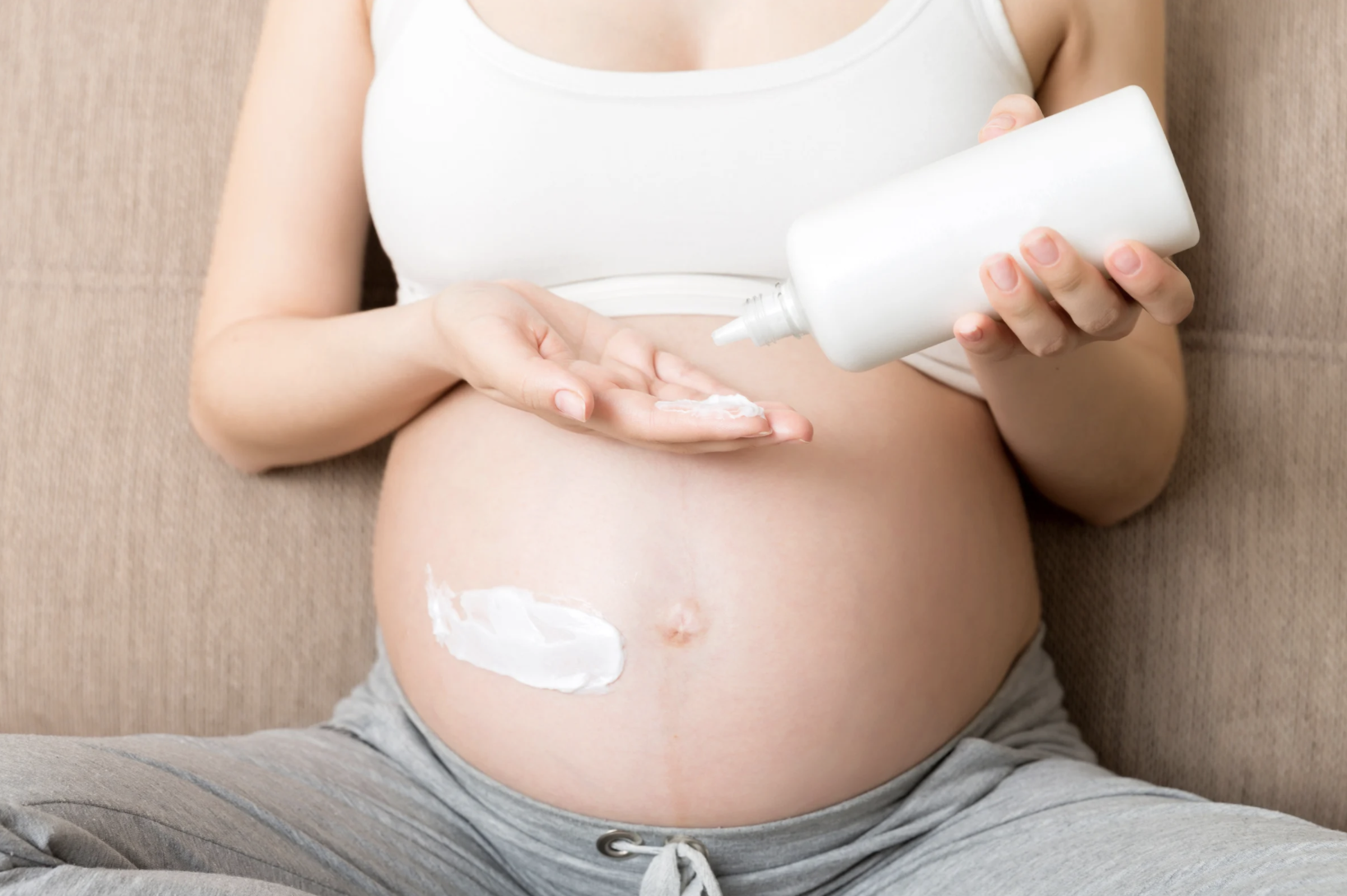
Is Pregnancy Changing My Skin? (And What’s Actually Normal?)
Pregnancy comes with a long list of changes, but one of the most surprising can be what’s happening to your skin.
You might be wondering:
- Why am I suddenly glowing?
- Why do I look like I’ve hit puberty again?
- What’s that dark line on my belly?
- And why am I itching like I’ve rolled in nettles?
If you’ve searched “Is pregnancy changing my skin?” — the answer is: yes, probably! But don’t panic — most of these changes are common, harmless, and temporary.
Let’s break it down.
Why does pregnancy affect your skin?
In short? Hormones. Blood flow. Stretching. And more hormones.
Your body is working overtime to grow a baby, and that can show up in your skin in all sorts of ways — some lovely, some downright annoying.
Common Pregnancy Skin Changes
1. That “Pregnancy Glow”
Many people notice their skin looks brighter or more radiant — this is thanks to increased blood volume and a bit more oil production. It’s real, but it’s not universal. For some, “glow” looks more like sweaty and spotty — which is also completely normal.
2. Breakouts & Acne
Blame progesterone. It ramps up oil production, which can clog pores and cause spots, even if your skin has been clear for years.
What helps:
- A gentle skincare routine (no harsh scrubs)
- Avoid products with retinoids or high-dose salicylic acid — ask your midwife or pharmacist if you’re unsure
- Keep your pillowcases clean and hair away from your face
3. Stretch Marks
These can appear on your bump, boobs, hips, or thighs as your skin stretches to make space for baby.
They’re common, genetic, and nothing to be ashamed of. No cream can guarantee prevention, but staying hydrated and moisturising regularly can help ease the itchiness.
We recommend a gentle, natural oil (like our Stretch Mark Oil) for daily comfort.
4. Hyperpigmentation & Melasma
You might notice darker patches of skin, especially on your face — this is called melasma or “the mask of pregnancy”. You may also see:
- A dark line down your bump (linea nigra)
- Darkening of your nipples, inner thighs, or underarms
This is all caused by rising melanin levels, triggered by hormones.
Top tips:
- Wear SPF every day (yes, even in winter)
- Avoid direct sun exposure
- Melasma usually fades after birth
5. Dry or Itchy Skin
As your skin stretches, it can feel tight, dry, or itchy — especially on your bump and boobs.
Totally normal — but if the itch is intense or focused on your hands and feet, let your midwife know ASAP. It could be a sign of intrahepatic cholestasis of pregnancy (ICP), a rare but serious condition that needs monitoring.
6. Skin Tags, Veins & Other Surprises
Thanks to increased blood flow and pressure, you might notice:
- Spider veins or varicose veins
- Red palms
- Tiny skin tags in warm areas like your neck or armpits
Most of these go away after birth — or can be treated later if they stick around.
Can I Still Use My Skincare?
In general, yes — but check the ingredients. Avoid:
- Retinoids (vitamin A derivatives)
- High-dose salicylic acid
- Hydroquinone (often found in pigment lighteners)
Safe ingredients include:
- Hyaluronic acid (hydration)
- Vitamin C (brightening)
- Niacinamide (calming and balancing)
If you’re ever unsure, ask a midwife, pharmacist, or GP — they’re used to these questions and will happily help.
The Honest Take
So, is pregnancy changing your skin? Probably, yes — and in more ways than one. Some of those changes might feel lovely, some might be really annoying, and others might be a bit of both.
The good news is, most skin changes in pregnancy are temporary. Your body is going through a huge transformation, and your skin is just one part of that story.
Whatever your skin is doing — glowing, breaking out, stretching or darkening — be gentle with it. You’re not broken. You’re just busy making a human.
And that’s pretty incredible.