
 Louise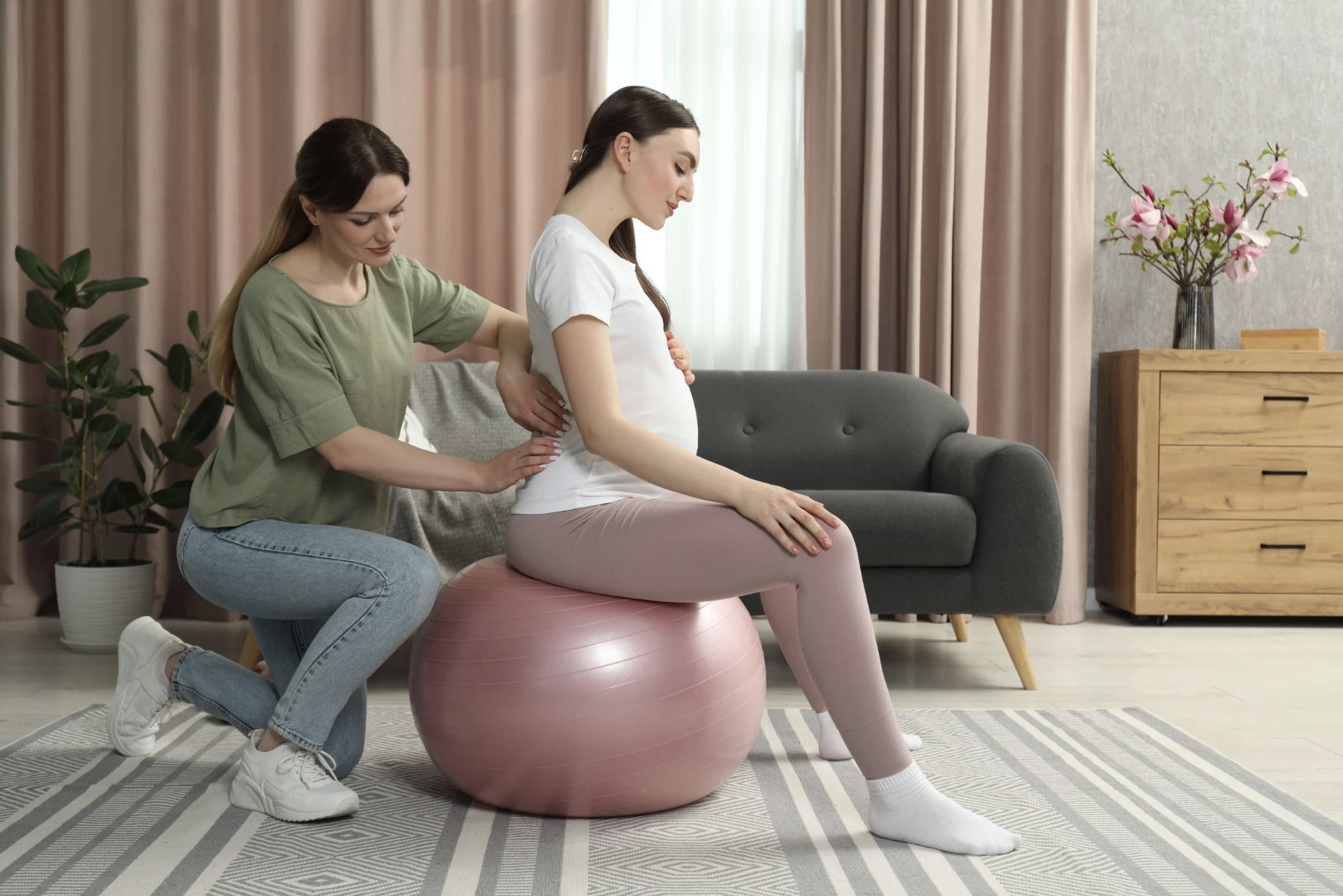
Complementary Therapies to Help During Labour: What You Need to Know
Every labour is different — and every woman finds her own way to cope.
While research on complementary therapies to help in labour is mixed, many women say these gentle techniques helped them feel calmer, stronger, and more in control during birth.
If you’re curious about adding some natural support to your birth plan, here’s a warm, honest guide to your options.
Which Complementary Therapies Might Help?
Some complementary therapies women often explore during labour include:
Acupuncture, acupressure, and shiatsu massage
Aromatherapy and essential oils
Herbal remedies
Homeopathy
Reflexology
Self-hypnosis and hypnobirthing techniques
Depending on where you’re giving birth, a few of these might even be available through your maternity team — it’s worth asking your midwife in advance.
How to Prepare for Labour Naturally
Some remedies and tools, like essential oils or homeopathic arnica, can be bought ahead of time to have ready for when labour starts.
Top tips:
Always check with your midwife or pharmacist to make sure any products are safe for you and your baby.
Choose high-quality oils and remedies from trusted suppliers (we recommend our own carefully selected Pregnancy Massage Oil, blended specifically for labour and relaxation).
For therapies like acupuncture or reflexology, look for a qualified practitioner who specialises in maternity care.
And as always — stay flexible. Some things that sound amazing now might not feel right in the moment, and that’s completely okay.
A Closer Look at Natural Techniques for Labour
Acupuncture, Acupressure, and Shiatsu
Acupuncture involves placing fine needles at specific points on the body to help ease labour pain.
Acupressure and shiatsu use fingertip pressure or massage along the same points.
If you want to keep it simple, your partner can easily learn some basic acupressure moves.
One simple trick: pressing firmly with thumbs into the small dimples either side of your lower back, moving gradually up toward the waist — it can offer wonderful relief during contractions.
Aromatherapy and Massage
Aromatherapy can help create a calm, oxytocin-rich environment — and massage during labour can offer incredible comfort.
Some gentle, labour-friendly oils to try:
Lavender (calming and grounding)
Frankincense (especially good during intense first-stage labour)
Bergamot (uplifting)
Chamomile (soothing)
Always dilute oils properly: two drops in a teaspoon of base oil like grapeseed.
Our Pregnancy Massage Oil is designed to be safe for bump and birth, making it a ready-to-use option for labour support.
Massage your lower back, shoulders, or feet — or simply inhale the oils from a tissue.
(Important: if your waters have broken, essential oils shouldn’t go into your bath or a birth pool.)
Herbal Remedies
While herbs are natural, they’re not always harmless.
Always seek advice from a qualified herbalist or midwife before taking any herbal products during pregnancy or labour.
A few key notes:
Raspberry leaf tea: Often taken from around 32 weeks to help tone the uterus. It’s thought to support efficient contractions, though strong evidence is limited.
Research into raspberry leaf tea is small and low quality, meaning there’s no firm proof it shortens labour — but many women still choose to use it based on tradition and anecdotal experience.
If you’ve already been drinking it, you can continue sipping it during early labour, unless advised otherwise.
Castor oil and blue cohosh: These are not recommended — they can cause serious side effects and complications.
The golden rule: natural doesn’t always mean safe. Always double-check first.
Homeopathy
Some women like using homeopathic arnica to help with the physical recovery from birth — for bruising, swelling, and general healing.
While scientific evidence is limited, many find comfort in homeopathic support.
If you’d like to try it, speak to a registered homeopath for advice tailored to your birth plan.
Reflexology
Reflexology works on the idea that points on the feet correspond to different areas of the body.
Although it hasn’t been conclusively proven to ease labour pain, some women find it deeply relaxing.
Simple idea to try:
Gentle pressure on the heels during contractions may help — they’re linked to the pelvic area.
A light massage on the big toes might support the production of natural labour hormones.
It’s a lovely way for your partner to stay involved and offer comfort during labour.
Sterile Water Injections
Some birth centres offer sterile water injections for women experiencing intense back labour.
These involve a few small injections into the lower back to disrupt pain signals.
They can sting sharply when given, but many women report significant back pain relief within minutes — lasting up to an hour or more.
If you’re interested, ask your midwife in advance whether your hospital offers them.
Self-Hypnosis and Hypnobirthing
Using the power of your mind as a complimentary therapy during labour isn’t just possible — it can be transformative.
Hypnobirthing teaches you breathing techniques, affirmations, and deep relaxation tools to keep calm, even as labour intensifies.
It’s less about being “hypnotised” and more about staying focused, connected to your body, and confident.
We cover all of this (and much more) in our Honest Midwife Hypnobirthing classes, which are designed to help you feel strong, empowered, and ready — no matter what your birth looks like.
You can start preparing from around 25 weeks for the best results.
Final Thoughts
Labour is unpredictable — and beautiful — in its own wild way.
You won’t know exactly what you’ll need until you’re there.
Some complementary therapies to help in labour may offer huge comfort. Others might not feel right in the moment. That’s okay.
Keep an open mind, trust your instincts, and remember:
You are strong, you are wise, and you are capable.
Everything you need is already inside you.
And if a little massage, a breath of lavender, or a whispered affirmation helps you along the way? Even better.