 Louise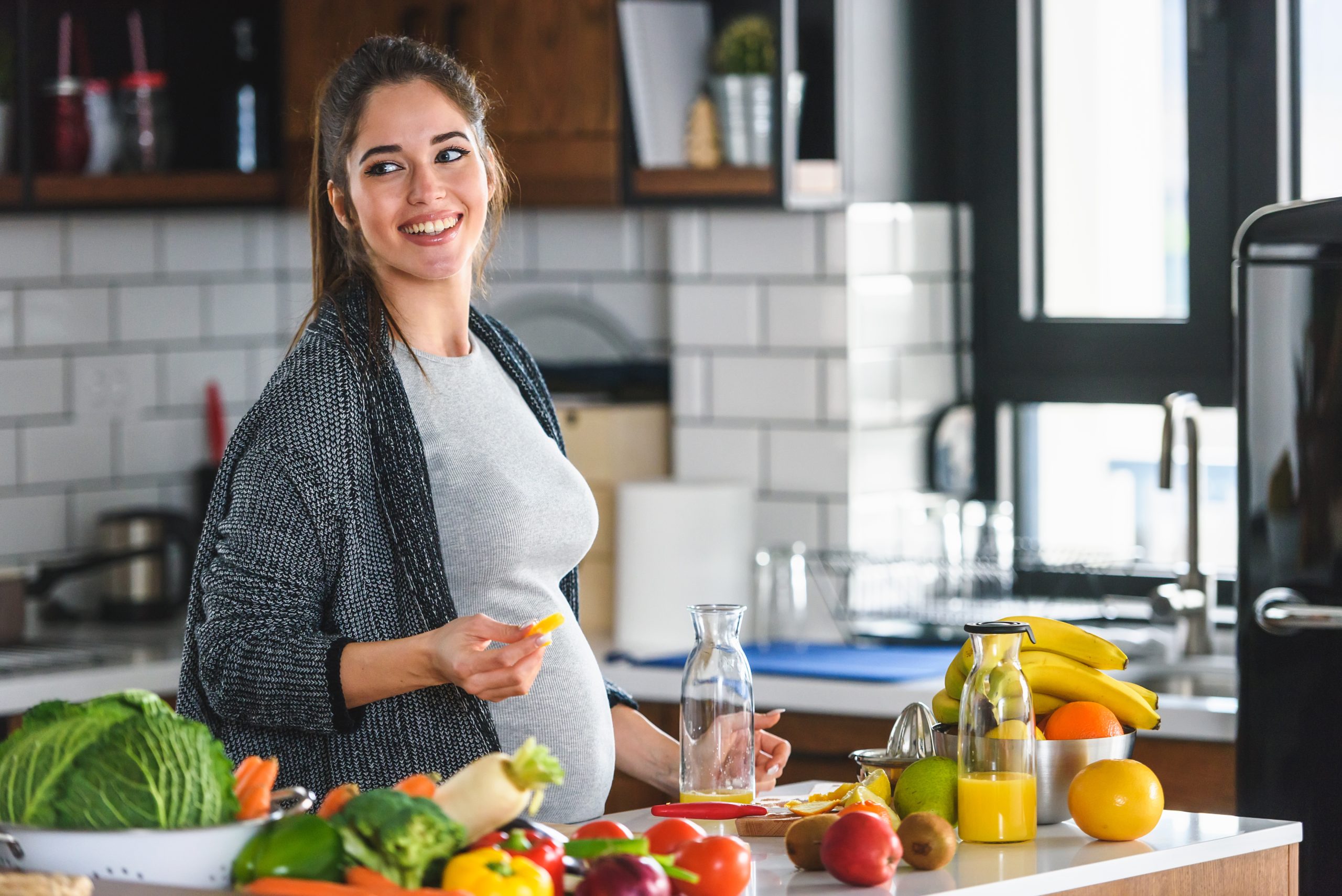
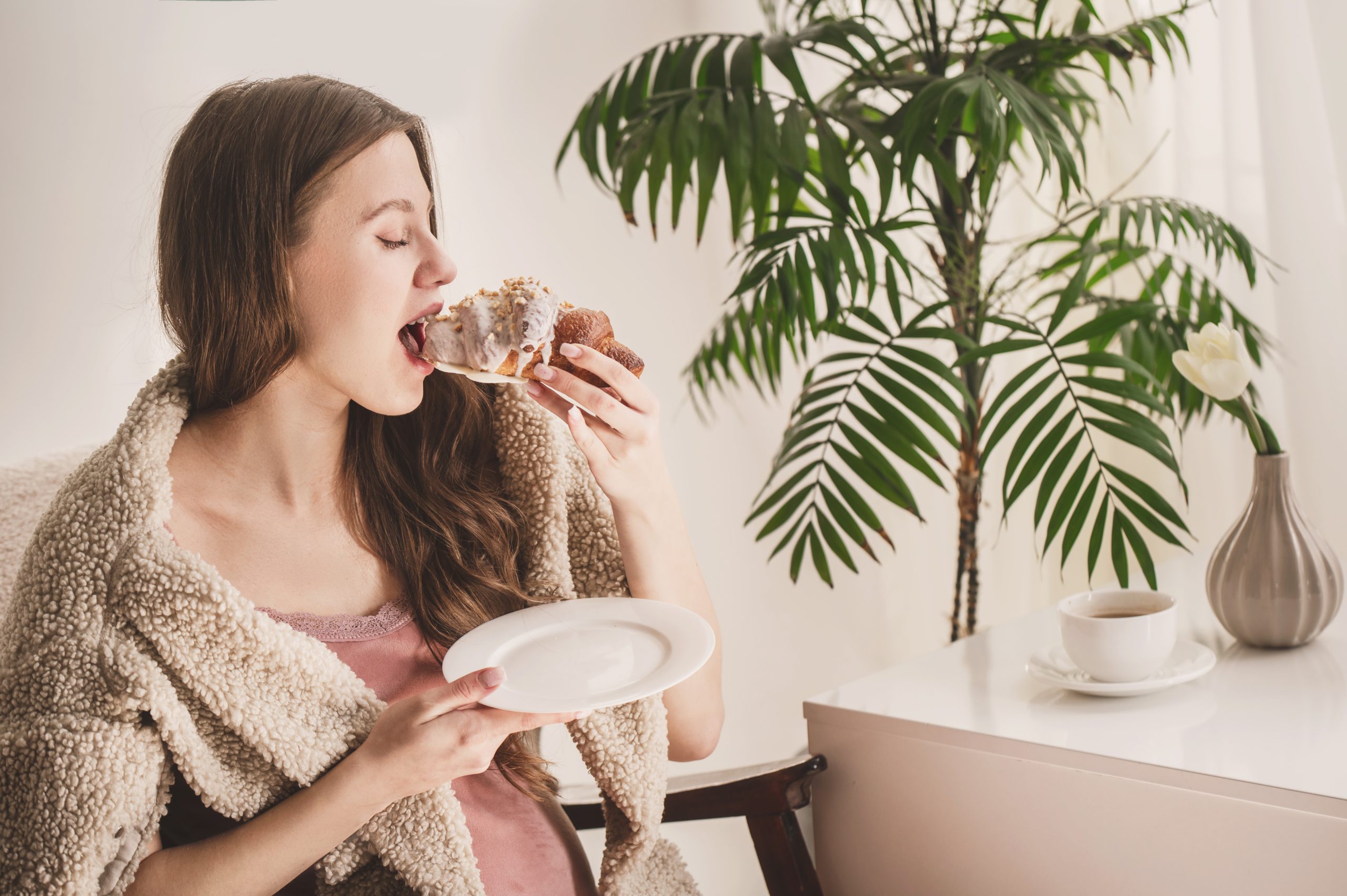
Eating well during pregnancy is essential for your health and your baby’s development. While most foods are safe, some carry risks of bacteria, parasites, or harmful levels of certain nutrients.
To help you make informed choices, here’s a comprehensive guide on what to avoid and what’s still safe to enjoy during pregnancy.
1. Raw or Undercooked Meat: A Risk for Toxoplasmosis
Eating raw or undercooked meat during pregnancy can expose you to toxoplasmosis, a rare but potentially harmful infection that may cause miscarriage, stillbirth, or developmental issues in your baby.
✅ How to Stay Safe:
- Avoid raw or undercooked meats, including rare steaks and burgers.
- Cook all meat thoroughly, ensuring poultry is piping hot and juices run clear.
- Be cautious with cured meats (e.g., salami, Parma ham, pepperoni)—they can contain parasites. But freezing them for at least four days before eating makes them safe.
2. Mould-Ripened & Blue-Veined Cheeses: A Risk for Listeria
Soft cheeses such as brie, camembert, blue cheese, and gorgonzola are more likely to contain listeria bacteria, which can cause listeriosis.
Even though listeriosis is rare, it can lead to miscarriage, severe newborn illness, or stillbirth.
✅ How to Stay Safe:
- Avoid soft, mould-ripened, and blue-veined cheeses, unless they have been thoroughly cooked.
- Hard cheeses (e.g., cheddar, parmesan, and gouda) are safe to eat, even if unpasteurized.
- If you experience symptoms like fever, nausea, vomiting, diarrhea, chills, or muscle aches, contact your doctor.
3. Raw or Lightly Cooked Eggs: The Good News!
Great news—you can now enjoy runny eggs again! 🥚
In the past, pregnant women were advised to avoid raw eggs due to the risk of salmonella. However, eggs with the Red Lion stamp are now considered safe as they have been produced under strict hygiene conditions.
✅ How to Stay Safe:
- Red Lion eggs are safe to eat raw or lightly cooked, including in homemade mayo, soft-boiled eggs, and chocolate mousse.
- Non-stamped eggs (e.g., from backyard chickens) should always be fully cooked before eating.
4. Liver & Pâté: Too Much Vitamin A
Bad news for liver lovers—liver and pâté are off the menu during pregnancy.
Liver is high in vitamin A, which can be harmful to a developing baby, leading to birth defects. Pâté (including vegetable pâté) also carries a high risk of listeria contamination.
✅ How to Stay Safe:
- Avoid liver and liver-based products, including pâté.
- Opt for other sources of iron, such as spinach, lentils, and lean meats.
5. Fish in Pregnancy: What’s Safe and What’s Not?
Fish is an excellent source of protein, omega-3 fatty acids, and essential nutrients for your baby’s developing brain and nervous system. However, some types of fish contain high levels of mercury, which can be harmful.
✅ Safe Fish Choices:
- Salmon, trout, sardines, and mackerel—rich in omega-3, but limit to 2 portions per week.
- Cod, haddock, and plaice—safe to eat regularly.
🚫 Fish to Avoid:
- Shark, marlin, swordfish, and king mackerel—contain high levels of mercury.
- Tuna—limit to 4 cans of tuna or 2 fresh tuna steaks per week due to mercury content.
Final Thoughts: A Balanced Approach to Pregnancy Nutrition
Pregnancy nutrition doesn’t have to be restrictive! By making smart choices and following food safety guidelines, you can enjoy a healthy, varied diet while protecting your baby.
💡 Quick Recap:
✔️ Cook meat thoroughly and freeze cured meats before eating.
✔️ Avoid soft cheeses unless thoroughly cooked.
✔️ Red Lion eggs are safe to eat runny or raw.
✔️ Skip liver and pâté due to high vitamin A.
✔️ Enjoy safe fish, but limit those high in mercury.
For more pregnancy and postnatal top tips check out our other blogs!