
 Louise
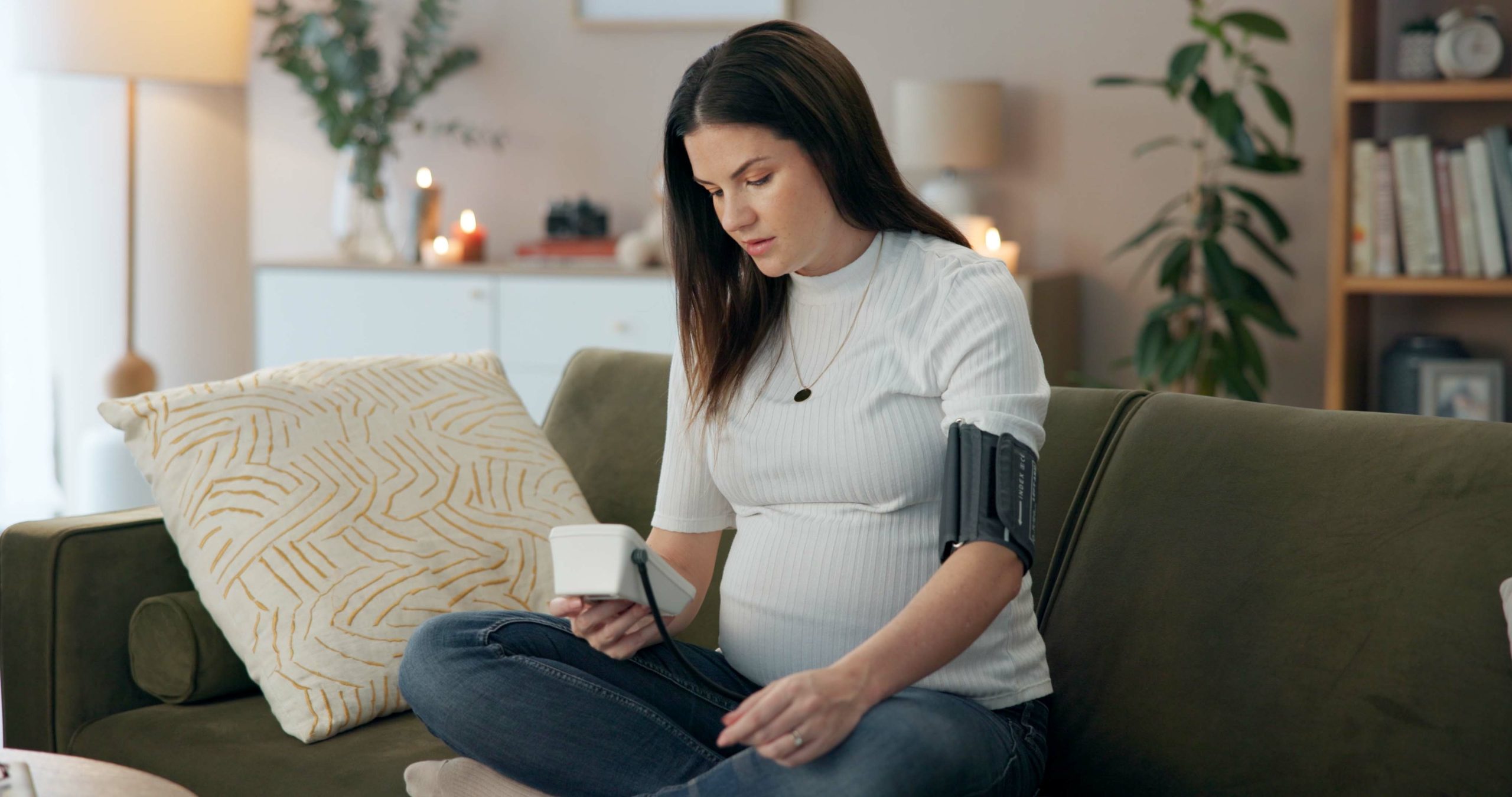
Pre-eclampsia is a pregnancy-related condition that typically develops in the second half of pregnancy (after 20 weeks). It is characterized by high blood pressure (hypertension) and protein in the urine (proteinuria).
While most cases are mild, severe pre-eclampsia can lead to serious complications for both mother and baby if left untreated. In rare cases, it can progress to eclampsia, which causes seizures and can be life-threatening.
Understanding the symptoms, risk factors, and treatment options can help expectant parents feel informed and prepared.
Symptoms of Pre-Eclampsia
Pre-eclampsia often develops silently, with no noticeable symptoms in the early stages. This is why regular antenatal check-ups are essential for early detection.
Common Symptoms of Pre-Eclampsia:
✅ High blood pressure (hypertension) – Usually detected during routine prenatal visits.
✅ Protein in urine (proteinuria) – Picked up in urine tests during midwife or GP appointments.
✅ Swelling (edema) – Particularly in the feet, ankles, hands, and face, caused by water retention.
✅ Severe headaches – Persistent, intense headaches that don’t go away with hydration or rest.
✅ Visual disturbances – Blurred vision, flashing lights, or seeing spots.
✅ Pain under the ribs or in the shoulders – Often due to liver swelling.
💡 When to Seek Urgent Medical Attention:
If you experience any of these symptoms, contact your midwife or doctor immediately. Early diagnosis and treatment can prevent complications.
Causes and Risk Factors of Pre-Eclampsia
What Causes Pre-Eclampsia?
The exact cause of pre-eclampsia isn’t fully understood, but research suggests it is linked to problems with the placenta (NHS, 2023). If the placenta doesn’t develop properly, it can lead to poor blood flow between mother and baby, triggering high blood pressure and other complications.
Who Is at Risk?
Pre-eclampsia occurs in about 5% of pregnancies (Tommy’s, 2023), and certain factors increase the likelihood of developing it.
Key Risk Factors for Pre-Eclampsia:
- First-time pregnancy (higher risk for first-time mums).
- History of pre-eclampsia – Women who had pre-eclampsia before have a 16% higher chance of recurrence (NICE, 2022).
- Age over 40 – The risk increases with maternal age.
- A gap of 10+ years between pregnancies.
- High BMI (above 30) – Obesity increases the risk.
- Pre-existing high blood pressure (chronic hypertension).
- Gestational diabetes.
- Autoimmune diseases (e.g., lupus, antiphospholipid syndrome).
- Family history of pre-eclampsia.
💡 Preventative Measures:
- Women at high risk are often advised to take low-dose aspirin (75-150mg daily) from 12 weeks of pregnancyto reduce the risk (NHS, 2023).
How Is Pre-Eclampsia Diagnosed?
Routine prenatal check-ups play a critical role in diagnosing pre-eclampsia before symptoms appear.
Tests Used to Diagnose Pre-Eclampsia:
🩺 Blood Pressure Checks – Hypertension (140/90 mmHg or higher) may indicate pre-eclampsia.
💧 Urine Tests – Detecting protein in urine (proteinuria) is a key sign.
🩸 Blood Tests – Assess liver function, kidney function, and platelet count.
👶 Ultrasound & Doppler Scan – To check baby’s growth and placental function.
💡 Did you know? Around 2% of women with pre-eclampsia develop a severe form, requiring close monitoring or early delivery (NHS, 2023).
Treatment and Management of Pre-Eclampsia
The only cure for pre-eclampsia is delivering the baby. However, treatment focuses on managing symptoms and preventing complications for as long as possible.
Mild Pre-Eclampsia (Before 37 Weeks)
👩⚕️ Regular monitoring – More frequent antenatal visits (every 2-3 days).
🛏️ Rest – Staying hydrated and avoiding stress.
💊 Medication – Blood pressure-lowering drugs if necessary.
Severe Pre-Eclampsia (After 37 Weeks)
📍 Hospital admission – Monitoring every 15-30 minutes in severe cases.
💉 Magnesium sulfate infusion – Helps prevent seizures in women with very high blood pressure.
⚡ Steroid injections – If premature birth is likely, steroids can help mature the baby’s lungs.
👶 Early delivery – Induction or C-section if the baby is at risk.
💡 One in four cases of eclampsia (seizures caused by pre-eclampsia) occur within 2-4 days after birth, so postnatal monitoring is essential (BMJ, 2023).
What Happens If Pre-Eclampsia Doesn’t Improve?
If medications and monitoring don’t control pre-eclampsia, doctors may recommend early delivery.
👶 Induction of Labour – If the baby is mature enough (37+ weeks).
✂️ C-Section – If the mother’s or baby’s health is at risk.
🏥 Intensive Care – Rare cases may require ICU admission for continuous monitoring.
Recovery After Pre-Eclampsia:
- Most women fully recover within 4-6 weeks after birth.
- Blood pressure may take a few weeks to normalize.
- Follow-up postnatal appointments help track recovery.
Final Thoughts: Understanding Pre-Eclampsia
Pre-eclampsia can be serious, but with early detection, proper care, and monitoring, most women go on to have healthy pregnancies and babies.
💡 Key Takeaways:
✔️ Routine check-ups are crucial for detecting pre-eclampsia early.
✔️ High blood pressure and protein in urine are the first warning signs.
✔️ Treatment depends on severity, with mild cases managed with monitoring and severe cases requiring early delivery.
✔️ Postnatal care is just as important, as pre-eclampsia symptoms can persist for up to 6 weeks postnatally.
💬 Have questions about pre-eclampsia? Speak to your midwife or doctor for tailored advice.
📢 Looking for more pregnancy and postnatal information? Check out our other guides from The Honest Midwife